
Our Products
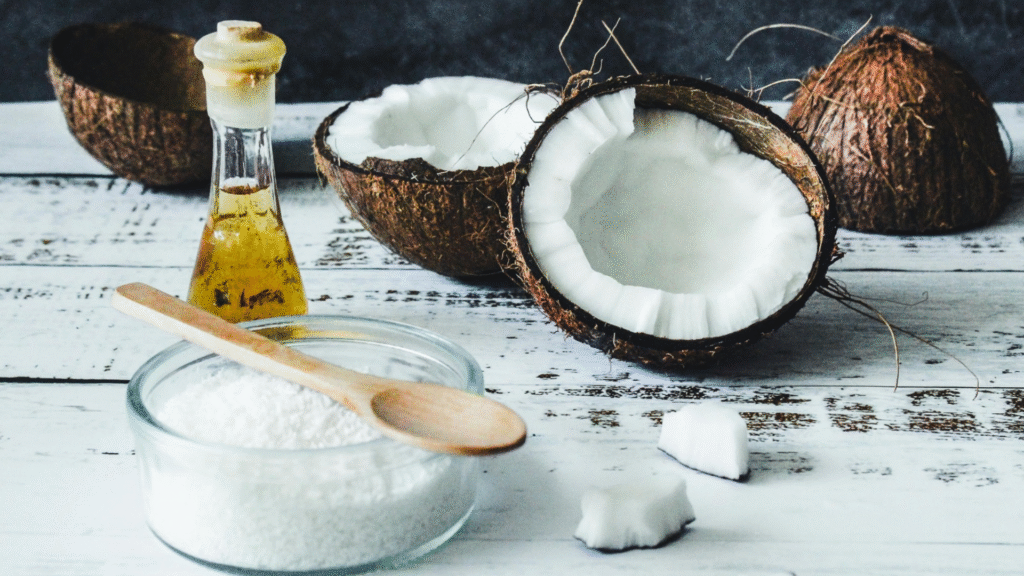
Coconut & By-Products
Beyond oil, the industry has innovated several high-demand products
Coconut Water: A natural electrolyte-rich beverage. In 2025, it remains one of the fastest-growing segments in the functional drink market.
Coconut Milk & Cream: A staple dairy alternative. Recent trends show a surge in coconut-based yogurts and ice creams.
Coconut Sugar: Produced from the sap of the flower buds. It is a low-glycemic sweetener gaining traction as a “clean label” alternative to cane sugar.
Coconut Flour: A gluten-free, high-protein byproduct of the milk-making process.
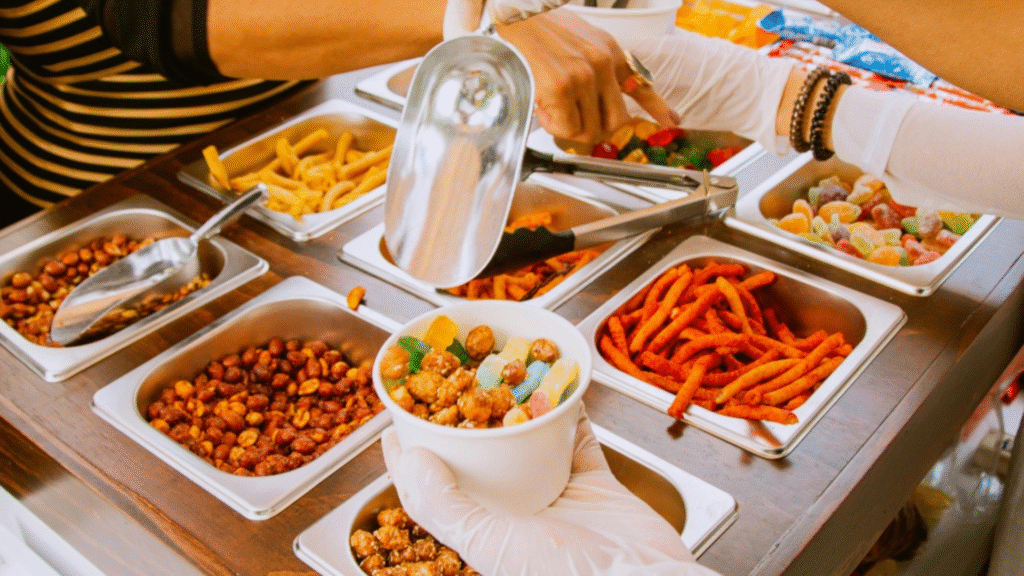
Processed Food & Beverages
Processing is now categorized by the Nova System, which helps consumers distinguish between helpful convenience and “ultra-processed” risks.
Minimally Processed: Frozen vegetables (using Individual Quick Freezing – IQF), pasteurized milk, and vacuum-sealed grains. These retain high nutritional value.
Ready-to-Cook (RTC): This sector has boomed due to urbanization. Popular items include air-fryer-ready snacks, plant-based meal kits, and high-protein “grab-and-go” bowls.
Functional Packaged Foods: Snacks fortified with probiotics for gut health, protein-enriched crackers, and “no-added-sugar” dried fruits.
Household Products
Surface & Kitchen Cleaners
Concentrates & Refills: Consumers buy a glass “forever bottle” and use dissolvable tablets or small refill pouches to reduce plastic waste.
Enzyme-Based Cleaners: Using natural enzymes to break down organic stains (grease, proteins) without harsh fumes.
Laundry Care:Cold-Water Detergents: Optimized to perform in cold cycles to save energy.
Laundry Strips:Dehydrated detergent sheets that eliminate bulky plastic jugs.

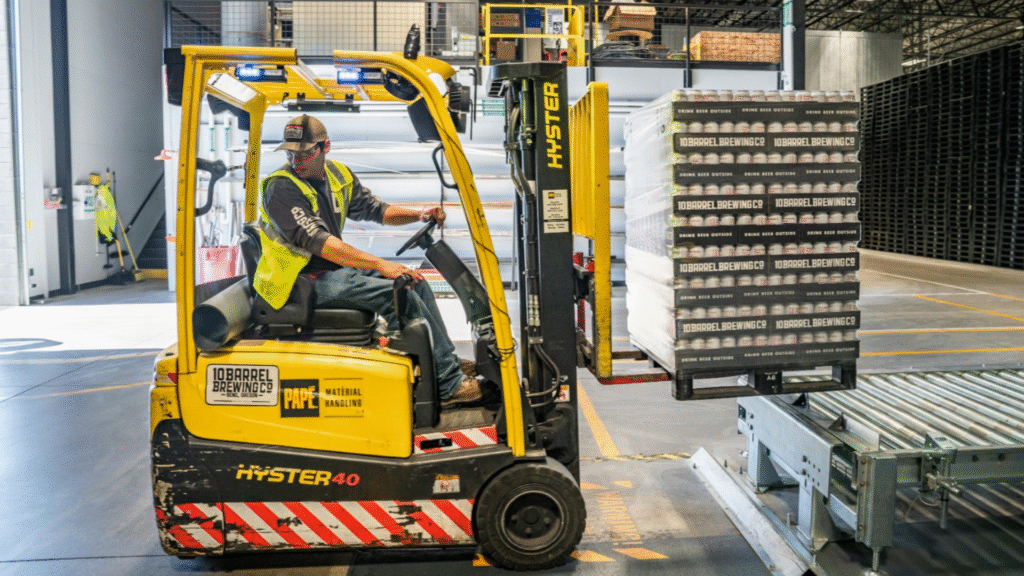
Packaging & Logistics
The “plastic-free” movement has evolved into sophisticated bio-engineering.
Mono-Materials: Traditional packaging often layers plastic, foil, and paper, making it impossible to recycle. 2025 trends favor mono-material pouches (made of a single polymer type) that are 100% recyclable in standard bins.
Next-Gen Bio-Materials: Mushroom Packaging (Mycelium): A biodegradable alternative to Styrofoam/polystyrene.
Seaweed & Algae: Seaweed-based polybags and water-soluble films (like Sway or OCEANIUM) are replacing traditional flexible plastics in e-commerce.
Versatility: It can be engineered to be rigid like a yogurt cup or flexible like a snack bag, solving the “crinkly” texture issues of earlier bio-materials.
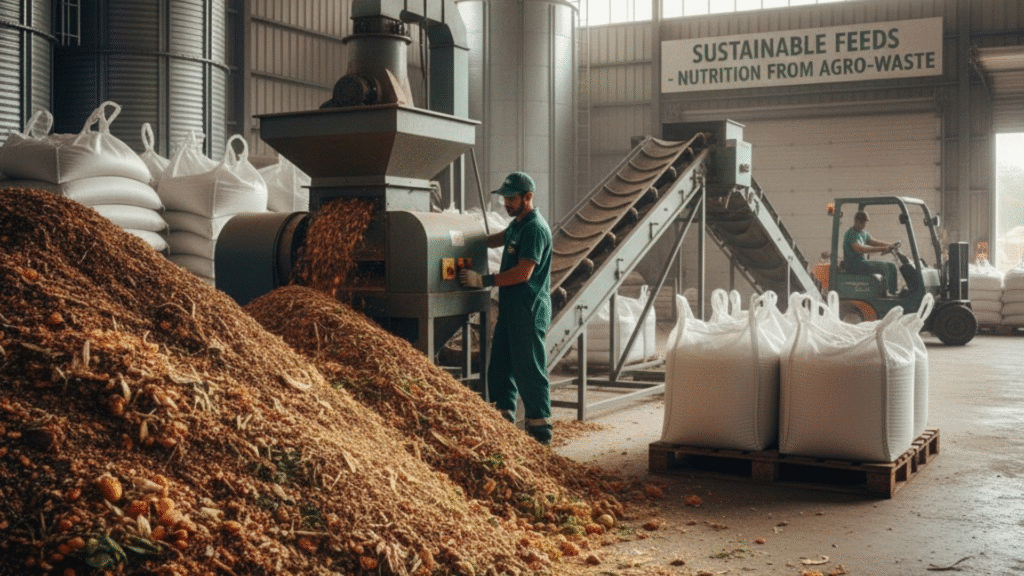
Animal Feed & Agro-Waste
Traditional feeds like soy and corn are increasingly being supplemented or replaced by “non-conventional” sources to lower costs and emissions.
Fruit & Vegetable Pomace: Residues from juice and canning industries (citrus peels, tomato seeds, apple pomace) are rich in antioxidants and fiber, improving gut health in ruminants.
Oilseed Cakes: Leftover solids from pressing oils (soy, sunflower, and even coconut copra) provide critical high-protein supplements.
Brewers’ Spent Grains (BSG): A high-fiber, high-protein byproduct of beer brewing used extensively for dairy cattle.
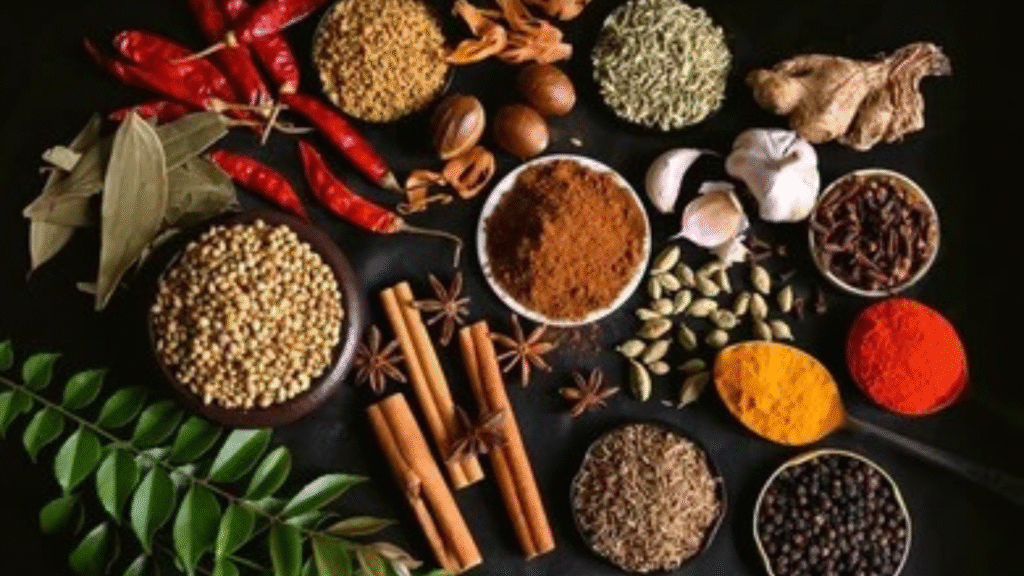
Spices and Condiments
Spices and Condiments are recognized as “functional powerhouses” that transform daily meals by using natural bioactive compounds like curcumin (in turmeric) and piperine (in black pepper) to boost immunity and reduce inflammation while providing a sustainable.
Spices: These are dried plant parts (seeds, bark, or roots) added during cooking to build deep aroma and provide antioxidant benefits.
Condiments: These are prepared mixtures (sauces, pastes, or pickles) added at the table to enhance the final taste and add “umami” or tanginess to a dish.
2025 Market Trend: Consumers are shifting toward “Clean Label” products that are low in sugar and free from artificial chemicals, focusing instead on organic and sustainably sourced ingredients.

Industrial & Miscellaneous
Surfactants & Detergents: Derivatives like Cocamide DEA and Cocamidopropyl betaine are the primary foaming agents in industrial shampoos, liquid soaps, and heavy-duty degreasers.
Bioplastics & Plasticizers: Coconut fatty acids are now used to create phthalate-free plasticizers, making plastics more flexible and durable without the toxic leaching associated with traditional chemicals.
Lubricants & Hydraulic Fluids: High-grade coconut oil esters serve as biodegradable lubricants for machinery in sensitive environments (like marine or forest areas) where a oil leak must not harm the ecosystem.
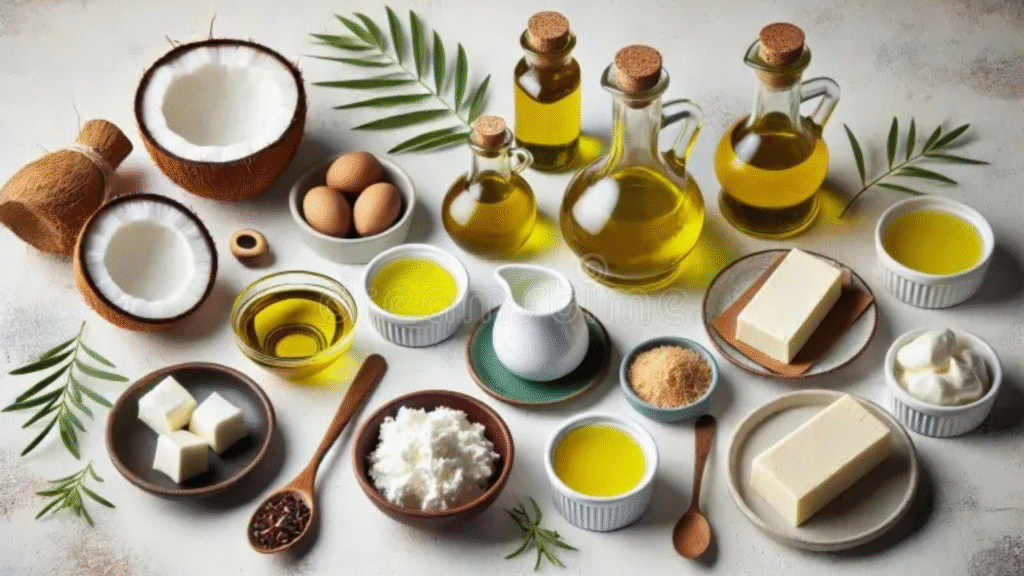
Oil & Fat Products
Cold-Pressed (Kachchi Ghani): Extracted without heat or chemicals, these oils (Mustard, Groundnut, Sesame) retain natural antioxidants and a “nutty” aroma.
High-Oleic Oils: Modern sunflower and safflower oils have been bred to be high in monounsaturated fats (similar to olive oil), giving them a higher smoke point and better oxidative stability for deep-frying.
Rice Bran Oil: Often called the “Heart Oil” in Asia, it contains Oryzanol, a compound known to lower cholesterol. It remains a top choice for high-heat cooking due to its high smoke point.
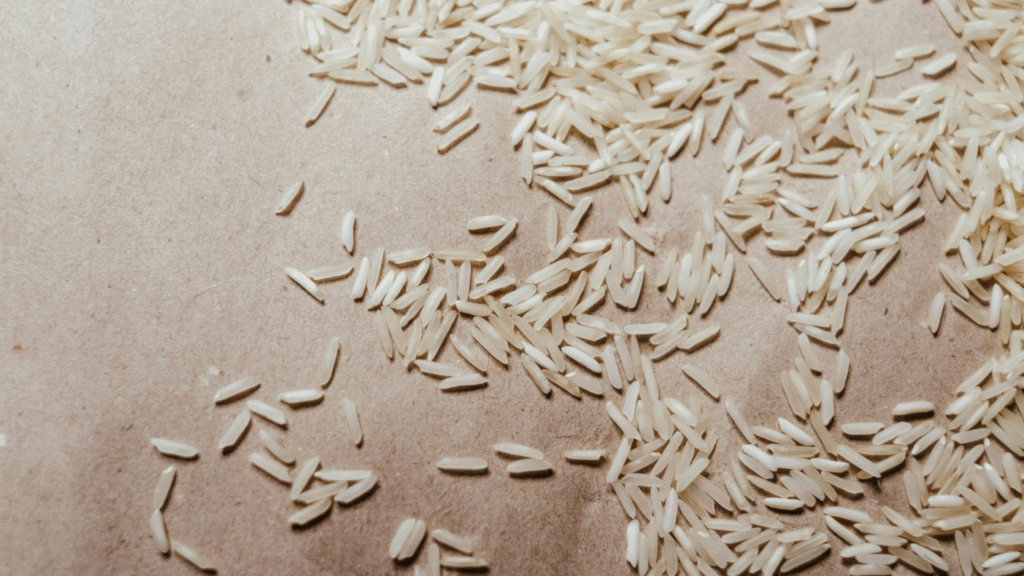
Rice & Grains
Rice remains the primary calorie source for over half the world’s population changing to save water and reduce methane emissions.
Climate-Resilient Varieties: New strains like DRR Dhan 44 and CR Dhan 215 are engineered to survive extreme drought, salinity, and flooding.
Direct Seeded Rice (DSR): A growing trend where seeds are sown directly into the field rather than transplanted from nurseries. This reduces water usage by up to 30% and lowers labor costs.
Low-GI & Biofortified Rice: Varieties like Zico Rice and Madhuraj Dhan 55 are being scaled up to address malnutrition and diabetes.
Dehydrate foods
Dehydration is a cornerstone of the 2025 food industry, offering high-intensity flavor in a lightweight, sustainable format. Here are the key points regarding
Intense Flavor & Aroma: Removing moisture concentrates natural oils and chemical compounds, making dried spices up to three times more potent than fresh versions.
Extended Shelf Life: By reducing water content to below 10%, dehydration creates a hostile environment for bacteria and mold, allowing products to stay fresh for 2–5 years without chemical preservatives.
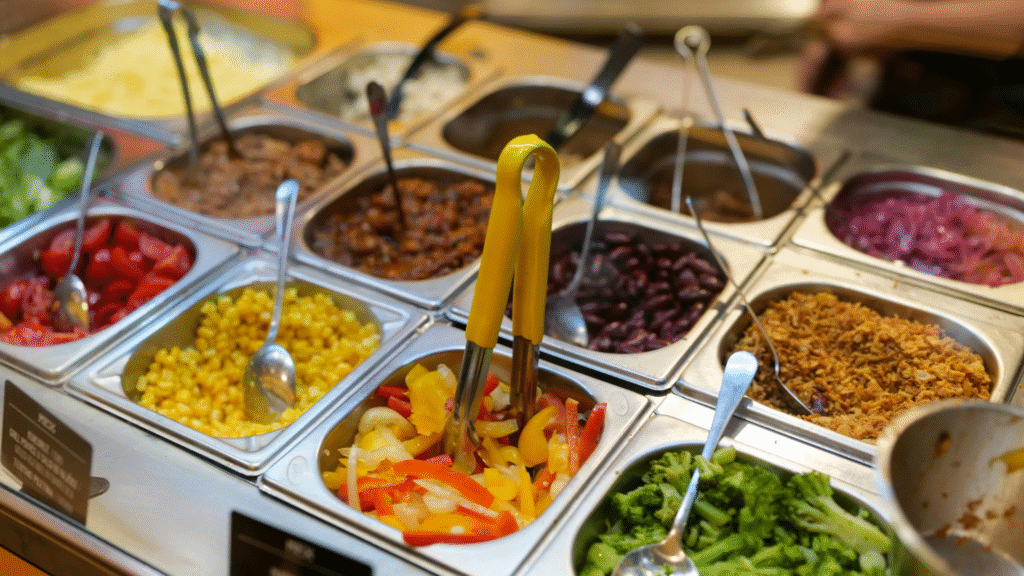
Ready Food & Flour
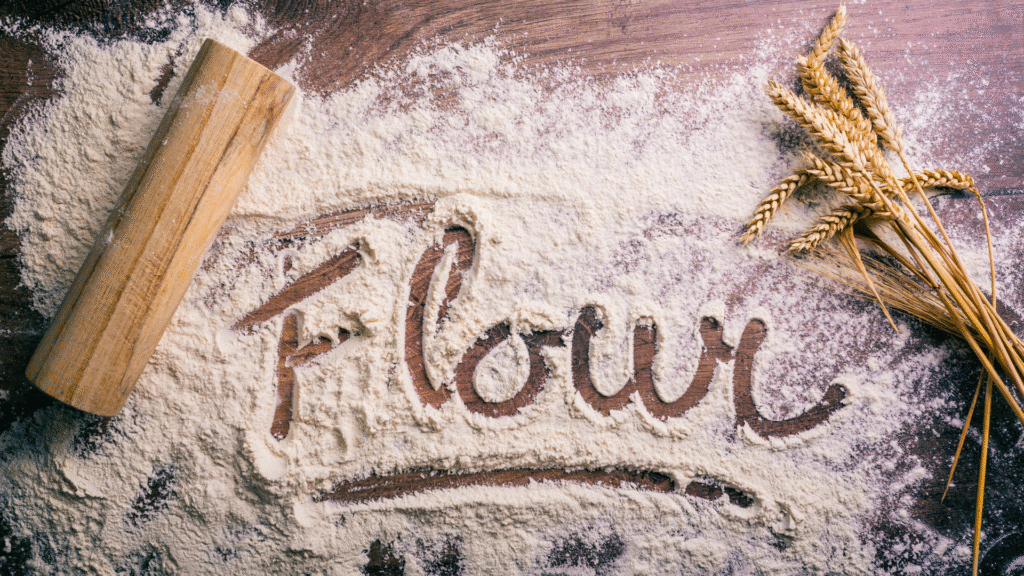
Flour isn’t just for bread anymore. New types of flour are designed to make cooking much faster and easier.
Instant Flour:This is pre-cooked flour that dissolves immediately in liquids. It’s a “secret weapon” for making smooth gravies or sauces without any lumps.
Self-Rising Flour:This has the baking powder and salt already mixed in. It’s perfect for making quick pancakes, biscuits, or muffins without needing to measure five different ingredients.
Healthy Choices: Many people are switching from white flour to Millet, Almond, or Chickpea flours. These are “power flours” that have more fiber and protein, helping you stay full for longer.
Pulses & Dal
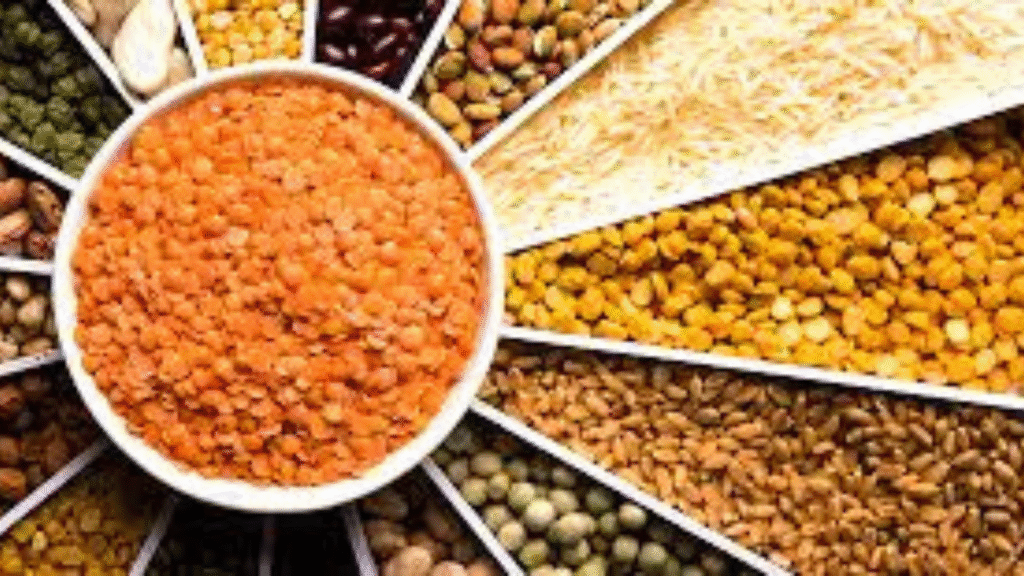
Pulses and Dal are celebrated as the “backbone” of a healthy daily diet. These small but powerful seeds are the dried versions of legumes like lentils, peas, and beans. Often called the Powerhouse of Proteins.
Toor Dal (Pigeon Pea): The most popular yellow dal in India, used to make daily staples like Sambar. It is rich in folic acid and magnesium.
Moong Dal (Green Gram): Known for being the easiest to digest. It is often given to children or people recovering from illness and is used for Khichdi.
Masoor Dal (Red Lentil): One of the fastest-cooking lentils. It turns yellow when cooked and is great for skin health and iron.
Chana Dal (Bengal Gram): A thicker, nuttier dal that helps manage blood sugar levels.
Coconut & By-Products
Beyond oil, the industry has innovated several high-demand products
Coconut Water: A natural electrolyte-rich beverage. In 2025, it remains one of the fastest-growing segments in the functional drink market.
Coconut Milk & Cream: A staple dairy alternative. Recent trends show a surge in coconut-based yogurts and ice creams.
Coconut Sugar: Produced from the sap of the flower buds. It is a low-glycemic sweetener gaining traction as a “clean label” alternative to cane sugar.
Coconut Flour: A gluten-free, high-protein byproduct of the milk-making process.
Processed Food & Beverages
Processing is now categorized by the Nova System, which helps consumers distinguish between helpful convenience and “ultra-processed” risks.
Minimally Processed: Frozen vegetables (using Individual Quick Freezing – IQF), pasteurized milk, and vacuum-sealed grains. These retain high nutritional value.Ready-to-Eat (RTE) & Ready-to-Cook (RTC): This sector has boomed due to urbanization. Popular items include air-fryer-ready snacks, plant-based meal kits, and high-protein “grab-and-go” bowls.Functional Packaged Foods: Snacks fortified with probiotics for gut health, protein-enriched crackers, and “no-added-sugar” dried fruits.
Household Products
Surface & Kitchen Cleaners:
Concentrates & Refills: Consumers buy a glass “forever bottle” and use dissolvable tablets or small refill pouches to reduce plastic waste.
Enzyme-Based Cleaners: Using natural enzymes to break down organic stains (grease, proteins) without harsh fumes.
Laundry Care:Cold-Water Detergents: Optimized to perform in cold cycles to save energy.
Laundry Strips:Dehydrated detergent sheets that eliminate bulky plastic jugs.
Packaging & Logistics
The “plastic-free” movement has evolved into sophisticated bio-engineering.
Mono-Materials: Traditional packaging often layers plastic, foil, and paper, making it impossible to recycle. 2025 trends favor mono-material pouches (made of a single polymer type) that are 100% recyclable in standard bins.
Next-Gen Bio-Materials: Mushroom Packaging (Mycelium): A biodegradable alternative to Styrofoam/polystyrene.
Seaweed & Algae: Seaweed-based polybags and water-soluble films (like Sway or OCEANIUM) are replacing traditional flexible plastics in e-commerce.
Animal Feed & Agro-Waste
Traditional feeds like soy and corn are increasingly being supplemented or replaced by “non-conventional” sources to lower costs and emissions.
Fruit & Vegetable Pomace: Residues from juice and canning industries (citrus peels, tomato seeds, apple pomace) are rich in antioxidants and fiber, improving gut health in ruminants.
Oilseed Cakes: Leftover solids from pressing oils (soy, sunflower, and even coconut copra) provide critical high-protein supplements.
Brewers’ Spent Grains (BSG): A high-fiber, high-protein byproduct of beer brewing used extensively for dairy cattle.
Dehydrate foods
Agricultural waste is no longer seen as “trash” but as a secondary raw material.
Mushroom Cultivation: Rice straw and coffee grounds are used as substrates for growing gourmet and medicinal mushrooms.
Livestock Waste (Manure & Slurry)
Biogas Production: Manure is processed in anaerobic digesters to produce renewable energy for farm operations.
Organic Fertilizers: Advanced composting and vermicomposting (using worms) turn raw manure into stable, nutrient-rich soil conditioners.
Industrial & Miscellaneous
Surfactants & Detergents: Derivatives like Cocamide DEA and Cocamidopropyl betaine are the primary foaming agents in industrial shampoos, liquid soaps, and heavy-duty degreasers.
Bioplastics & Plasticizers: Coconut fatty acids are now used to create phthalate-free plasticizers, making plastics more flexible and durable without the toxic leaching associated with traditional chemicals.
Lubricants & Hydraulic Fluids: High-grade coconut oil esters serve as biodegradable lubricants for machinery in sensitive environments (like marine or forest areas) where a oil leak must not harm the ecosystem.
Oil & Fat Products
Cold-Pressed (Kachchi Ghani): Extracted without heat or chemicals, these oils (Mustard, Groundnut, Sesame) retain natural antioxidants and a “nutty” aroma.
High-Oleic Oils: Modern sunflower and safflower oils have been bred to be high in monounsaturated fats (similar to olive oil), giving them a higher smoke point and better oxidative stability for deep-frying.
Rice Bran Oil: Often called the “Heart Oil” in Asia, it contains Oryzanol, a compound known to lower cholesterol. It remains a top choice for high-heat cooking due to its high smoke point.
Rice & Grains
Rice remains the primary calorie source for over half the world’s population changing to save water and reduce methane emissions.
Climate-Resilient Varieties: New strains like DRR Dhan 44 and CR Dhan 215 are engineered to survive extreme drought, salinity, and flooding.
Direct Seeded Rice (DSR): A growing trend where seeds are sown directly into the field rather than transplanted from nurseries. This reduces water usage by up to 30% and lowers labor costs.
Low-GI & Biofortified Rice: Varieties like Zico Rice and Madhuraj Dhan 55 are being scaled up to address malnutrition and diabetes.
Spices & Condiments
Spices and Condiments are recognized as “functional powerhouses” that transform daily meals by using natural bioactive compounds like curcumin (in turmeric) and piperine (in black pepper) to boost immunity and reduce inflammation while providing a sustainable.
Spices: These are dried plant parts (seeds, bark, or roots) added during cooking to build deep aroma and provide antioxidant benefits.
Condiments: These are prepared mixtures (sauces, pastes, or pickles) added at the table to enhance the final taste and add “umami” or tanginess to a dish.
2025 Market Trend: Consumers are shifting toward “Clean Label” products that are low in sugar and free from artificial chemicals, focusing instead on organic and sustainably sourced ingredients.
Ready Food & Flour
Flour isn’t just for bread anymore. New types of flour are designed to make cooking much faster and easier.
Instant Flour:This is pre-cooked flour that dissolves immediately in liquids. It’s a “secret weapon” for making smooth gravies or sauces without any lumps.
Self-Rising Flour:This has the baking powder and salt already mixed in. It’s perfect for making quick pancakes, biscuits, or muffins without needing to measure five different ingredients.
Healthy Choices: Many people are switching from white flour to Millet, Almond, or Chickpea flours. These are “power flours” that have more fiber and protein, helping you stay full for longer.
Pulses & Dal
Pulses and Dal are celebrated as the “backbone” of a healthy daily diet. These small but powerful seeds are the dried versions of legumes like lentils, peas, and beans. Often called the Powerhouse of Proteins.
Toor Dal (Pigeon Pea): The most popular yellow dal in India, used to make daily staples like Sambar. It is rich in folic acid and magnesium.
Moong Dal (Green Gram): Known for being the easiest to digest. It is often given to children or people recovering from illness and is used for Khichdi.
Masoor Dal (Red Lentil): One of the fastest-cooking lentils. It turns yellow when cooked and is great for skin health and iron.
Chana Dal (Bengal Gram): A thicker, nuttier dal that helps manage blood sugar levels.